Search Engine Optimization (SEO) & SEM
Introduction
In today’s competitive online world, every business wants to be visible, trusted, and easy to find. That’s where Search Engine Optimization (SEO) and Search Engine Marketing (SEM) come in.
While both aim to increase your visibility on search engines, they work in different ways. When used together, they form a powerful digital marketing strategy that attracts traffic, builds trust, and drives real business growth.
What Is SEO?
Search Engine Optimization (SEO) is the process of improving your website’s visibility in organic (non-paid) search results on platforms like Google and Bing.
The goal of SEO is to attract visitors naturally by ranking high for keywords your audience is already searching for.
Key Elements of SEO
- On-Page SEO:
Optimizing website content, titles, meta descriptions, and images to improve search engine rankings. - Off-Page SEO:
Building backlinks, improving domain authority, and increasing credibility. - Technical SEO:
Enhancing site speed, mobile optimization, and user experience to make your website easier to crawl and index. - Content Optimization:
Creating valuable, keyword-rich content that answers users’ questions and builds trust.
✅ Example:
If you own a fitness brand, SEO helps your site appear when someone searches for “best workout plans” or “home fitness tips.”
What Is SEM?
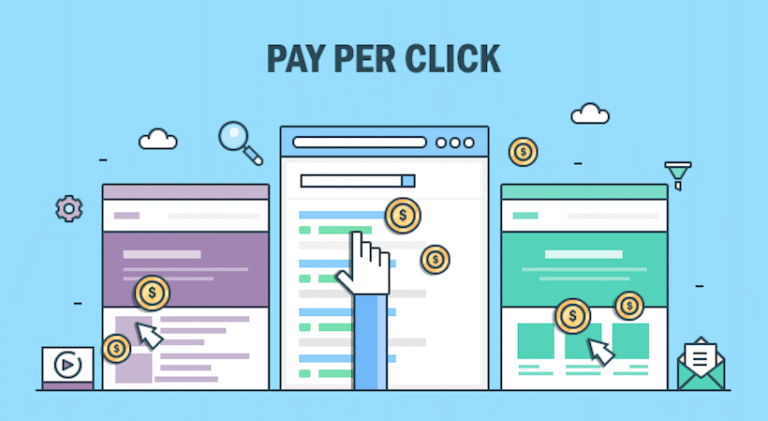
Search Engine Marketing (SEM) focuses on paid strategies to promote your business on search engines. The most common form is Pay-Per-Click (PPC) advertising.
With SEM, your ads appear above organic results, helping you reach potential customers instantly.
Key Elements of SEM
- Google Ads (PPC):
Target specific keywords with paid campaigns for quick visibility. - Display Ads:
Show banner ads across partner websites to build brand awareness. - Remarketing:
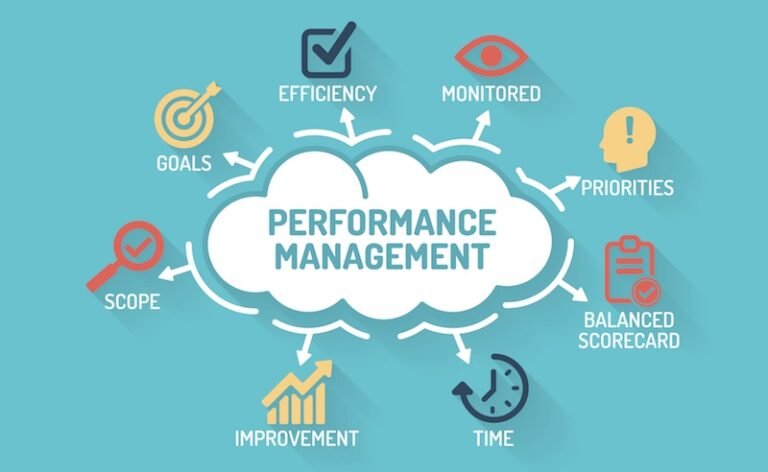
Re-engage users who previously visited your site but didn’t convert. - Performance Tracking:
Monitor ad performance and optimize for higher conversions and ROI.
✅ Example:
If you’re launching a new online course, SEM can immediately drive visitors to your website through Google Ads — even before your SEO rankings improve.
SEO vs. SEM: What’s the Difference?
| Feature | SEO | SEM |
|---|---|---|
| Cost | Free (organic) | Paid (ads) |
| Results | Long-term | Instant |
| Goal | Build trust and authority | Generate immediate visibility |
| Best For | Sustainable growth | Quick conversions |
Simply put:
👉 SEO builds credibility and long-term success.
👉 SEM brings fast, targeted traffic.
When combined, they balance each other perfectly.
Why Use SEO and SEM Together
Using both SEO and SEM gives you the best of both worlds — immediate results and lasting visibility.
Here’s how they complement each other:
- SEO creates trust and long-term organic traffic.
- SEM brings fast visibility and lead generation.
- Together, they help your brand dominate both paid and organic search results.
When users see your brand in both ad listings and organic rankings, it increases credibility and improves click-through rates.
Pro Tips for a Powerful SEO + SEM Strategy
- Use SEM Data to Improve SEO.
Identify top-performing paid keywords and integrate them into your organic strategy. - Optimize Landing Pages.
Ensure your ad landing pages are SEO-friendly for better conversions. - Measure Everything.
Track results using Google Analytics and Search Console to improve ROI. - Maintain Balance.
Use SEM for short-term goals and SEO for sustainable growth.
Conclusion
SEO and SEM aren’t rivals — they’re partners in digital success.
While SEO builds a strong foundation for long-term visibility, SEM accelerates growth by bringing in immediate results.
By combining both strategies, businesses can create a powerful, data-driven marketing approach that ensures consistent traffic, leads, and conversions.