Data Analytics & Performance Measurement
Introduction
In today’s fast-moving digital world, every click, view, and interaction tells a story.
But to truly understand that story — and make smarter marketing decisions — you need data analytics and performance measurement.
These two elements are the foundation of modern digital marketing. They help businesses track what’s working, identify what’s not, and optimize every campaign for better results.
What Is Data Analytics in Digital Marketing?
Data analytics is the process of collecting, analyzing, and interpreting data from various marketing channels to understand customer behavior and campaign performance.
In simple terms — it helps you make decisions based on facts, not guesses.
Key Data Sources in Marketing Analytics
- Website traffic (via Google Analytics or similar tools)
- Social media engagement (likes, shares, comments)
- Email open and click rates
- Conversion tracking (leads, sales, sign-ups)
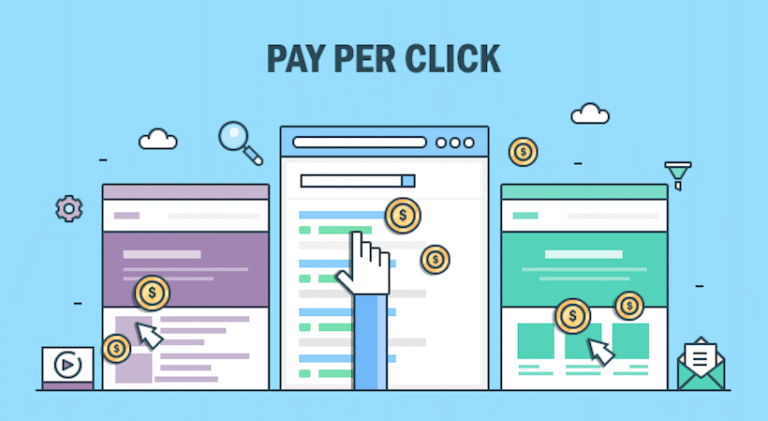
- Ad campaign metrics (CTR, CPC, ROI)
Each data point gives you valuable insights into how your audience interacts with your brand.
What Is Performance Measurement?
Performance measurement goes hand in hand with data analytics.
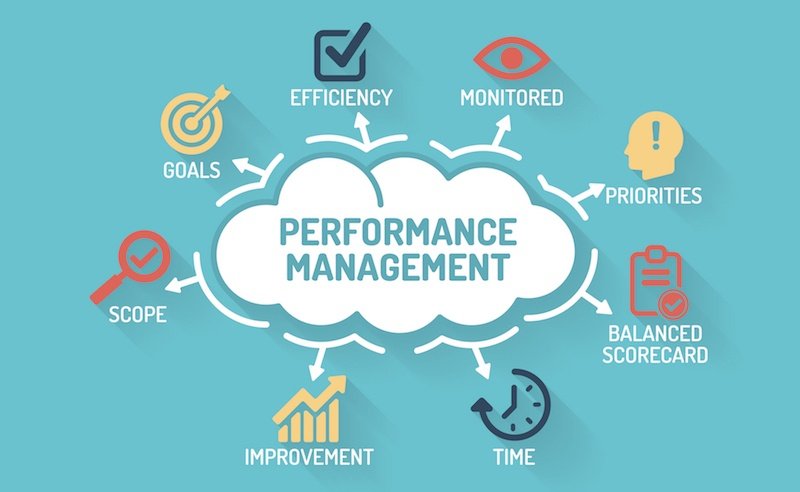
It focuses on tracking Key Performance Indicators (KPIs) — measurable values that show how effectively your campaigns are achieving business goals.
Some examples of marketing KPIs include:
- Website traffic growth
- Lead conversion rate
- Customer acquisition cost (CAC)
- Return on ad spend (ROAS)
- Customer lifetime value (CLV)
By consistently measuring these metrics, you can see whether your marketing strategies are truly delivering results.
Why Data Analytics and Performance Measurement Matter
Without analytics, marketing is just guesswork.
Here’s why every business needs them:
- Better Decision-Making – Data removes uncertainty and guides strategic choices.
- Improved ROI – You can identify which channels bring the best returns.
- Enhanced Customer Understanding – Analytics reveal customer needs and behavior patterns.
- Faster Problem Detection – Spot underperforming campaigns before they waste your budget.
- Continuous Improvement – Measure, learn, adjust, and repeat — that’s the formula for growth.
How Data Analytics Transforms Marketing
Imagine running a campaign without knowing which ad, keyword, or platform drives the most conversions — that’s like sailing without a compass.
With analytics, you can:
- Track real-time results and optimize campaigns instantly.
- Segment audiences for personalized targeting.
- Identify top-performing content and replicate success.
- Predict trends to stay ahead of competitors.
Data helps turn information into action — and action into growth.
Essential Tools for Analytics & Performance Tracking
Here are some popular tools marketers use to measure and analyze performance effectively:
- Google Analytics 4 (GA4): Tracks website and user behavior.
- Google Search Console: Monitors keyword performance and SEO health.
- Meta Ads Manager: Analyzes Facebook and Instagram campaigns.
- Google Ads Dashboard: Measures PPC performance and ROI.
- HubSpot / SEMrush / Ahrefs: Provides insights into traffic, backlinks, and keyword rankings.
Using these tools together gives you a 360° view of your marketing success.
Steps to Build a Data-Driven Marketing Strategy
- Define Clear Goals
Decide what success looks like — more traffic, leads, or sales. - Choose the Right KPIs
Track the metrics that truly impact your goals. - Collect and Organize Data
Use analytics tools to gather clean, reliable data. - Analyze and Interpret
Look beyond numbers — find the why behind each trend. - Take Action and Optimize
Use insights to refine content, targeting, and ad strategies. - Monitor Regularly
Continuous measurement ensures your strategy evolves with audience behavior.
Conclusion
Data analytics and performance measurement aren’t just about numbers — they’re about understanding people and improving decisions.
When you track the right metrics, you gain the clarity to create campaigns that perform better, convert faster, and deliver higher ROI.
In short — data tells you what’s working, and performance measurement ensures you never stop improving.