Paid Advertising (PPC)
Introduction
In the fast-paced world of digital marketing, waiting for organic growth isn’t always enough.
That’s where Paid Advertising (PPC) — also known as Pay-Per-Click marketing — becomes a game-changer.
PPC allows businesses to reach their target audience instantly, drive qualified traffic, and get measurable results — all while staying in control of their budget.
What Is PPC Advertising?
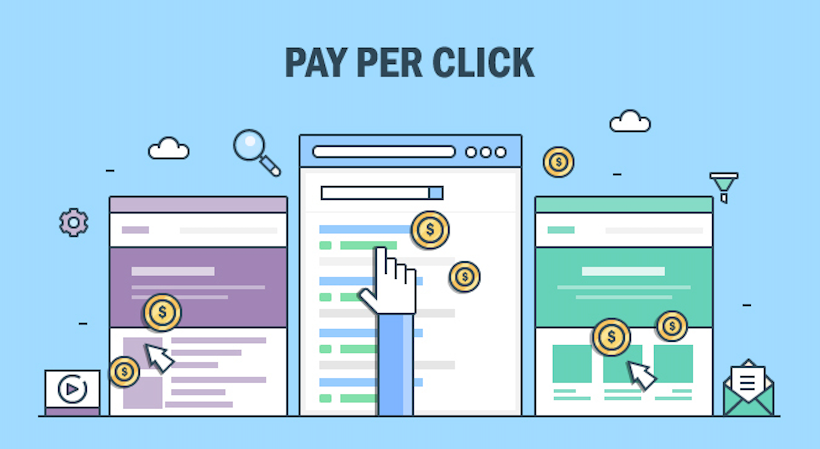
Pay-Per-Click (PPC) is an online advertising model where advertisers pay a small fee each time someone clicks on their ad.
Instead of earning visits organically, PPC helps you buy visibility on platforms like Google, Bing, Facebook, Instagram, LinkedIn, and YouTube.
In short:
👉 You pay only when people show interest in your offer.
👉 You control who sees your ads, when, and where.
How PPC Works
PPC works through an auction system.
When someone searches for a keyword you’re targeting, search engines like Google display your ad based on several factors such as:
- Your bid amount (how much you’re willing to pay per click)
- The quality score of your ad and landing page
- The relevance of your keywords and ad copy
The better your ad quality and targeting, the less you pay for each click — while reaching more people effectively.
Popular PPC Platforms
- Google Ads – The most widely used platform for search, display, shopping, and video ads.
- Meta Ads (Facebook & Instagram) – Ideal for audience targeting and visual storytelling.
- LinkedIn Ads – Perfect for B2B campaigns and professional networking.
- YouTube Ads – Great for video-based awareness and brand recall.
- Microsoft Ads (Bing) – A cost-effective alternative to Google Ads for niche audiences.
Each platform offers unique benefits depending on your goals and target market.
Types of PPC Ads
- Search Ads – Appear at the top of Google results when users search for specific keywords.
- Display Ads – Visual ads (images, banners) shown on partner websites and apps.
- Social Media Ads – Sponsored posts and videos across social media platforms.
- Shopping Ads – Product-based ads showcasing price, image, and details.
- Remarketing Ads – Ads shown to users who’ve already visited your site, reminding them to return and convert.
Each ad type plays a role in guiding users through the buyer’s journey — from awareness to purchase.
Benefits of PPC Advertising
✅ Instant Results – Unlike SEO, PPC drives traffic from day one.
✅ Precise Targeting – Choose your audience based on location, interests, device, and demographics.
✅ Budget Control – You decide how much to spend daily or monthly.
✅ Measurable Performance – Track clicks, conversions, and ROI in real time.
✅ Enhanced Brand Visibility – Appear at the top of search results instantly.
✅ Supports Other Marketing Channels – PPC data can guide SEO, content, and social strategies.
How to Build a Winning PPC Strategy
- Define Clear Goals
Decide what you want — traffic, leads, or sales. - Research Keywords
Use tools like Google Keyword Planner to find high-performing keywords. - Create Compelling Ad Copy
Write headlines and descriptions that grab attention and drive action. - Design Optimized Landing Pages
Ensure your landing page matches the ad and delivers on its promise. - Set a Smart Budget
Start small, analyze results, and scale up based on performance. - Track & Optimize Continuously
Monitor metrics like CTR, CPC, and conversion rates to improve ROI.
PPC vs. SEO: What’s the Difference?
| Feature | PPC | SEO |
|---|---|---|
| Cost | Paid per click | Free (organic) |
| Speed | Instant visibility | Gradual growth |
| Longevity | Short-term | Long-term |
| Goal | Quick results | Sustainable traffic |
Pro Tip:
Use PPC for immediate visibility and testing — and SEO for long-term stability. Together, they create a balanced, powerful marketing mix.
Conclusion
Paid Advertising (PPC) is more than just paying for clicks — it’s about investing in targeted visibility and measurable growth.
Whether you’re launching a new product, testing a campaign, or scaling your business, PPC gives you the control and flexibility to reach the right audience at the right time.
With the right strategy and consistent optimization, PPC can become one of the most profitable tools in your digital marketing arsenal.